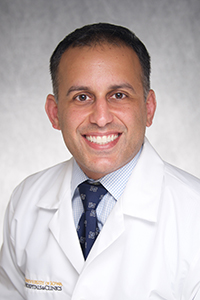
Ali Jabbari, MD, PhD
Alopecia Areata
The goals of Dr. Jabbari's research are to define the pathogenic and disrupted immunoregulatory pathways that lead to autoimmunity against the hair follicle, identify potential therapeutic targets, construct or discover novel therapeutics, and assess the efficacy of these new therapies. His current projects include delineating the role that CD8 and CD4 T cells serve in AA pathogenesis and dissecting the mechanisms of dysregulated tolerance in AA in order to restore tolerance for the purposes of treatment.
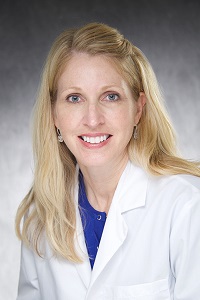
Kelly Messingham, PhD
Pathogenesis of cutaneous autoimmunity and how human pathogens interact with the skin to cause disease
In several collaborative projects, my laboratory aims to determine how the skin cells (immune cells and keratinocytes) participate in diseases caused or exacerbated by pathogens, such as bacteria, viruses and parasites. Using a variety of in vitro and in vivo infection models, we identify infected cell subsets and define functional changes that contribute to pathogenesis. Most of these studies are aimed at identifying cells or molecules that can be tested as therapeutic targets for prevention or resolution of disease.
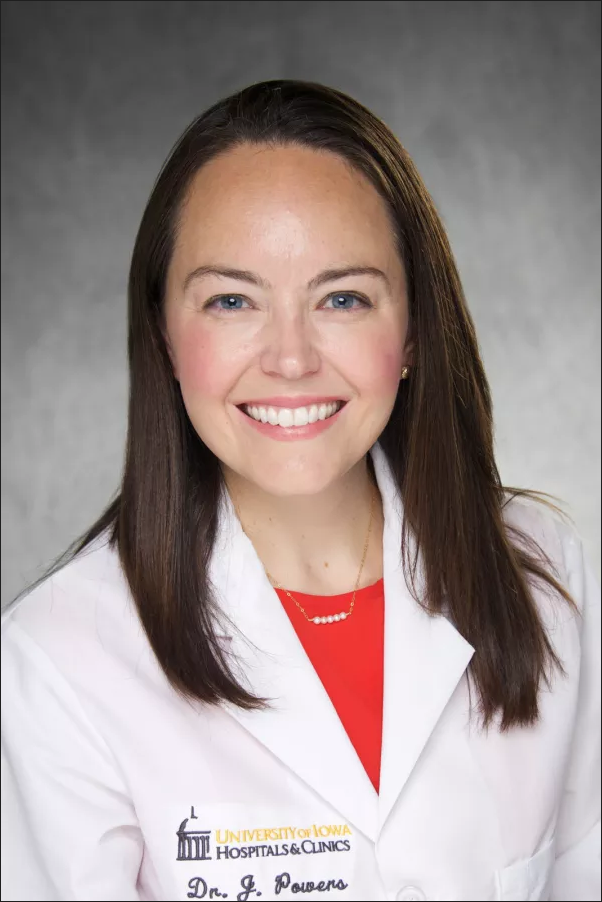
Jennifer Powers, MD
Scarring Outcomes after Dermatologic Surgery for Skin Cancer
Dr. Powers is interested in the factors associated with dermatologic surgery outcomes especially the microbiome and the whole health of the patient as it pertains to nutrition. There are multiple active pilot studies ongoing to understand the factors which contribute to post-surgical success as well as improving cancer survivorship for skin cancer patients.
Melanoma in the Military
Dr. Powers has Department of Defense funding to study the incidence of melanoma in the military and to what degree overseas deployments contribute to the higher skin cancer rates.